Table Of Content
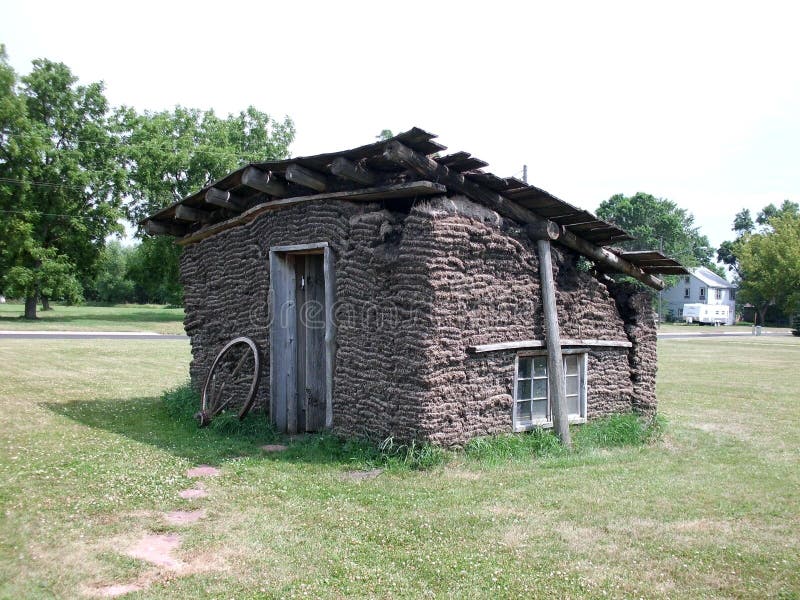
The extreme summer heat, with temperatures hitting over 120 degrees, and the season's drought, tornadoes, fires, floods, and grasshoppers made farming difficult. One 1886 blizzard, according to Our Story, became so bad that "horses and cattle died when their breaths froze over the ends of their noses, making it impossible for them to breathe." Summer brought endless days of heat when the surface temperature could exceed 120 degrees. Periods of drought, rainstorms, tornadoes, swarms of grasshoppers that could destroy fields of crops, and never-ending wind also challenged settlers. Mrs. O.C. Bell remembered the sod house experience with less fondness.
Landscape Design
Most sod houses were about 16 feet by 20 feet and had only one room. Furniture was kept to a minimum due to the lack of space. Many people slept on pallets that could be moved out of the way during the day. Crowded conditions meant that some household objects, like sewing machines, were kept outside when the weather was good, and had to be squeezed inside when it rained or snowed. Because tents or the top of a covered wagon provided little comfort or shelter from the prairie's wild weather, many settlers began by building dugouts.
Building a Sod House
First, they didn’t have to carry the bricks over long distances. And second, this left a free vegetation zone around the sod house and would prevent wildfires from getting to it. The average sod house required between 2500 and 3000 sod bricks. Once the sod house was completed they would reuse the dugout for storage or stock.
The Lawn You’ve Always Wanted. Delivered Right to Your Curb.
When they reached the point where the doors and windows would go, they added wooden frames they brought with them. In most cases they were made from whatever wood was available, they were using even the ones from their wagons. Those who had windows with them would put those in place while others would fill the opening with a thin cloth to allow sunlight into the sod house. This was a temporary solution until they managed to get the glass to put in the frames. To fit them in place they would cut small sod bricks, to fit around the windows and door frames. The homesteaders or sodbusters as they were called needed a constant in their life in order to make it through the day.
Living in a Sod House
It was important to do so because it provided two major advantages. Life wasn’t easy back then and many of the homesteaders of the late 1800s had to face a totally different environment. It was a complete change from anything they had seen back East or in their native land in Europe.
Holstein family builds sod house stewardship into farming operation - The Hastings Tribune
Holstein family builds sod house stewardship into farming operation.
Posted: Tue, 11 Oct 2016 07:00:00 GMT [source]
Approximately 3000 bricks were required to build a 16 x 20 foot house. Freshly cut sod bricks were laid root-side up in order for the roots to continue to grow into the brick above it. Over time, the bricks in fact grew together to form a very strong wall. McCully hitched his team to an fourteen-inch sod plow and split the grass into long rows.
Each piece was required to be 18 inches wide X 20 inches long by six inches thick. It is important to mention that each piece of brick weighted in at around 50 pounds. When they had to cut the sod bricks it was important to work smart and save time. The land was for the most part barren of trees and larger vegetation.
What was an advantage of building a sod house?
Sod houses were built by prairie settlers in the United States and Canada. Wood was scarce on the prairie, but thickly-thatched sod was abundant. Sod houses were cheap to build, sturdy, warm in the winter and cool in the summer. However, they were subject to insects and mice infestations, and could be severely damaged by weather.
When the bricks reached the top of the window frame settlers left off two layers of brick and laid cedar poles over the gap. The resulting space, stuffed with grass or rags, protected the windows from breaking as the house settled. Building a sod house was a lot of work and often took many weeks, especially if the settler's nearest neighbors were too far away or unable to help. The top layer of soil on the prairie contained strong grasses. They sank their roots down into the soil in a tangled mess that held onto the dirt well. By cutting blocks out of this sod they could make long rectangular building blocks from which they could build their homes.
The next step was to finish off the walls by scrapping them smooth. We’re an end-to-end firm that goes beyond in everything we do to make your construction and remodeling experience as carefree as can be. We’ve put over two decades of hard-earned experience to good use, making sure your journey with us remains carefree during the project and beyond.
When finished, the sod house was close quarters, but during Dakota winters it was very warm inside. Dirt constantly sifted down from the ceiling, making it almost impossible to keep clean. Rain or melting snow caused water to work its way through the roof and walls and run in trails along the floor, turning it to mud. The first one is a two-minute video of sod house history. Sod homes, or "soddies," featured earthen floors and, often, roofs as well ...
You were required to have a wider base for the sod house in order to have a strong and solid foundation. The sod house would settle significantly over time as the sod dried out. Since weather was harsh, the homesteaders had to find some protection against the elements, until their sod house was built.

If you everhave any questions for us or would like to see more information on a particular landscaping topic, head on over to the contact page to get in touch. Get care instructions to ensure your lawn is healthy and beautiful. As with any new home, once the construction is ready, the last part you need to take care of is the finish work. One of the first steps would require stretching a light colored sheet across the ceiling. We go beyond in every project in order to make the experience simple and carefree for the homeowner.